Building Stronger families, leaders, and communities.
Transforming Communities is a community-centered nonprofit organization advancing civic leadership, family support, education, food access, and future-focused initiatives that strengthen communities and create lasting impact.
Community-Led Impact
Built on years of leadership development, family engagement, and trusted community partnerships.
Who We Are
Rooted In Experience. Expanding With Purpose.
Transforming Communities was created to build upon years of proven community leadership and family-centered programming while expanding into new areas of impact. Grounded in the legacy of COPLTI, our work now includes civic leadership, food access, digital advocacy, youth enrichment, and climate and environmental education.
We are committed to helping families and communities access the knowledge, resources, and support they need to lead, grow, and thrive.
0
+
parent & youth leaders graduated
Through COPLTI and related community leadership initiatives.
Transforming Communities empowers parents, caregivers, youth, and neighborhoods through civic leadership, education, essential resources, and community-based initiatives that create lasting, equitable impact.
Our Vision
We envision stronger families, empowered leaders, and resilient communities equipped to thrive through education, advocacy, access, and action.
Leadership
Equity
Community
Stewardship
Innovation
“When families are informed, supported, and empowered, communities thrive.”
-Karla Poole, Executive Director
Our Story
Built On Proven Leadership. Expanded For Greater Impact.
Transforming Communities was established to build upon years of proven community leadership, family engagement, and civic advocacy while expanding into new areas of service. What began through trusted leadership initiatives like COPLTI continues today through a broader vision that includes food access, digital advocacy, youth enrichment, and climate and environmental education.
2017.
COPLTI Foundation
Legacy Of Leadership
Years of parent leadership development and civic engagement laid the foundation for the work we continue today.
2020. Community Expansion
Growing Community Reach
The work expanded through family support, food access partnerships, and broader community-based initiatives.
2024. New Directions
future-focused innovation
Digital advocacy, youth enrichment, and climate education represent the next phase of our impact.
Now
Transforming Communities
A new nonprofit structure designed to sustain and expand proven work across multiple areas of community need.
Meet Our Leadership
Leadership Rooted In Experience.
Transforming Communities is led by experienced professionals committed to strong governance, community impact, and the long-term sustainability of our mission.
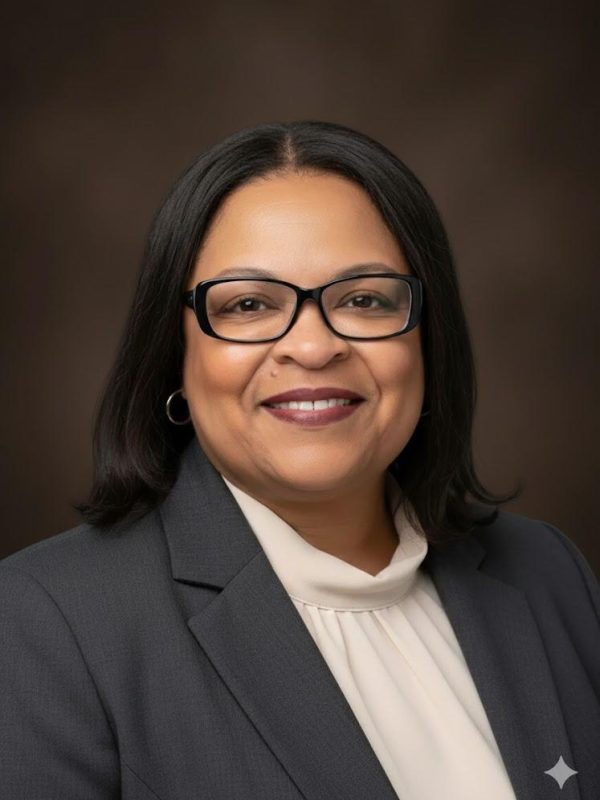
Karla Poole
Executive Director
Belkis Mercedes
Treasurer
Impact Story
Listen to How Community Support Creates Lasting Impact.
Behind every initiative is a story of growth, resilience, and community care. Our work is measured not only in numbers, but in lives strengthened and opportunities expanded.